

Don’t Wait for the Snap: Why Timely Belt Replacement Matters for Milwaukee Drivers
Think about the last time you were driving down I-94, maybe heading toward a Brewers game or just commuting home after a long day. Your car is humming along, the radio is playing, and everything feels fine. Then, in a split second, a loud snap echoes from under the hood. The steering suddenly feels like you’re trying to turn a lead weight, the dashboard lights up like a Christmas tree, and your engine dies.
That is the sound of a belt failing. It’s a small, relatively inexpensive part that holds the power to completely sideline your vehicle. At Sanfelippo Auto Repair, we’ve seen it happen more times than we’d like to count. While a broken belt is a major headache, the good news is that it’s almost entirely preventable with a little bit of foresight and regular maintenance.
Let’s break down why these rubber loops are so critical and why waiting for them to break is a gamble you don’t want to take with your vehicle’s health.
The Two Belts You Need to Know: Timing vs. Serpentine
Many drivers use the term “fan belt” as a catch-all, but modern vehicles typically rely on two very different types of belts. Understanding the difference is the first step in protecting your car from needing major engine repair in Milwaukee.
The Serpentine Belt: Your Car’s Multi-Tasker
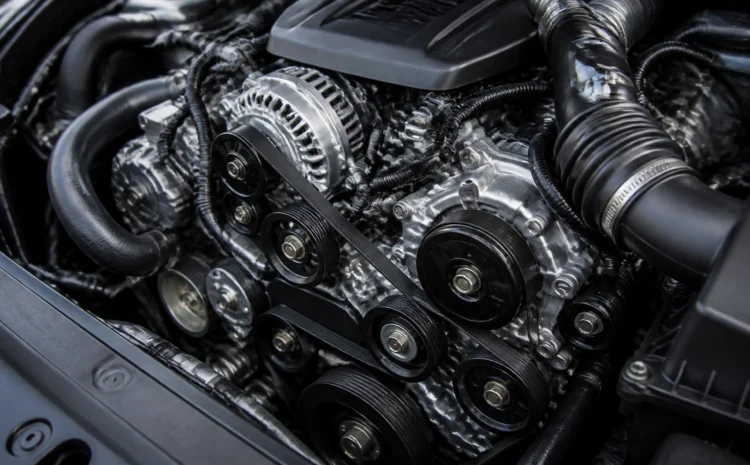
The serpentine belt is the long, winding belt you can usually see when you pop the hood. It’s the “jack of all trades” for your engine. As the engine runs, this belt spins to power your alternator, power steering pump, air conditioning compressor, and often the water pump.
If this belt snaps, you won’t necessarily destroy your engine instantly, but you will lose all those vital functions. Your battery will stop charging, your steering will become incredibly difficult, and your car will likely overheat within minutes. It’s a recipe for being stranded on the side of the road.
The Timing Belt: The Heartbeat of Your Engine
While the serpentine belt handles the accessories, the timing belt (or in some cars, a timing chain) handles the internal synchronization of the engine. It ensures that the crankshaft and camshaft are perfectly in sync so that the valves open and close at the exact right moment.
Here’s the thing: many modern cars have “interference engines.” In these designs, if the timing belt snaps, the pistons and valves can actually collide. This doesn’t just stall the car; it physically destroys the internal components of the engine. What could have been a routine maintenance task suddenly turns into a massive, multi-thousand-dollar bill for auto repair in Milwaukee.
Why Milwaukee Weather is Tough on Belts
We all know that Wisconsin weather is unpredictable. From the sub-zero deep freezes in January to the humid, sweltering days of July, our vehicles go through a lot. These extreme temperature swings are particularly hard on rubber components like belts.
Rubber naturally expands and contracts with heat and cold. Over time, this constant “cycling” causes the material to lose its flexibility. In the winter, an old, brittle belt is much more likely to crack or snap during a cold start. In the summer, the high heat under the hood can cause the rubber to glaze over or “dry rot.”
Because our climate is so demanding, seasonal maintenance isn’t just a suggestion: it’s a necessity for keeping your car reliable year-round.
Warning Signs You Shouldn’t Ignore
Your car is actually pretty good at telling you when something is wrong: you just have to know what to listen and look for. Before a belt fails completely, it often gives off a few “cries for help.”
- Squealing or Chirping: This is the most common sign. If you hear a high-pitched screeching when you start the car or when you turn the steering wheel sharply, your serpentine belt is likely slipping or worn out.
- Visible Cracks or Fraying: If you look at the underside of the belt and see small cracks or pieces of the rubber ribbing missing (often called “chunking”), the belt is on its last legs.
- Battery or Temperature Warnings: If your alternator isn’t spinning fast enough because of a slipping belt, your battery light might flicker. Likewise, if the water pump isn’t being turned properly, your temperature gauge might start to creep up.
- Ticking Noises: A failing timing belt can sometimes make a distinct ticking or clicking sound coming from the front of the engine.
If you notice any of these, don’t play the “wait and see” game. Getting a professional inspection early is one of the best ways to reduce downtime and avoid an emergency tow.

The High Cost of the “Snap”
Let’s talk numbers for a second. Replacing a serpentine belt is a straightforward, relatively low-cost service. Even a timing belt replacement, while more labor-intensive, is a predictable expense that can be budgeted for based on your vehicle manufacturer’s recommended mileage (usually every 60,000 to 100,000 miles).
Compare that to the alternative. If a timing belt snaps while you’re driving, you aren’t just looking at a new belt. You might be looking at a complete engine rebuild or even a total engine replacement. The cost difference is staggering. It’s like the difference between buying a new pair of running shoes or needing a full knee replacement because you ignored the pain for too long.
By staying ahead of the curve, you protect your wallet and ensure your car stays where it belongs: on the road.
Why Choose Sanfelippo Auto Repair for Your Maintenance?
When it comes to something as vital as your engine’s internal timing or accessory systems, you want someone who knows what they’re doing. We aren’t just another big-box chain. Sanfelippo Auto Repair is a family-owned business that has been serving the Milwaukee community for over 30 years.
Our ASE-certified technicians have the experience and the latest diagnostic technology to inspect your belts, pulleys, and tensioners with precision. We pride ourselves on honesty and transparency. If your belt looks great, we’ll tell you. If it’s showing signs of failure, we’ll show you exactly what we see so you can make an informed decision.
We offer a personalized alternative to the dealership experience, providing high-quality auto repair in Milwaukee at fair, competitive prices. Whether you drive a Toyota, a BMW, or a heavy-duty SUV, we treat every vehicle like it belongs to one of our own family members.
Conclusion
Your car’s belts are the unsung heroes of your daily commute. They work tirelessly behind the scenes to keep your engine synchronized and your accessories running. But like anything made of rubber, they have a limited lifespan: especially given the harsh Milwaukee seasons.
Don’t wait for that dreaded “snap” to leave you stranded. A quick inspection can give you the peace of mind that your vehicle is ready for whatever the road throws at it.
Is it time for your next maintenance check? Are you hearing a strange squeal when you start your car in the morning? Give us a call or stop by Sanfelippo Auto Repair today. Let’s make sure your car stays as reliable as the day you bought it.