
Winter Alignment & Tire Check: Why Milwaukee Potholes and Cold Temps Wreck Your Alignment Every Season
Winter puts your tires and suspension to the test. Freezing and thawing can turn small cracks in Milwaukee roads into potholes, while a sudden impact can knock your wheels out of alignment or damage a tire. Then cold temperatures lower tire pressure, which can affect grip and wear.
The good news? You don’t have to wait until your car pulls to one side or a tire wears out to take action. A seasonal tire check and an alignment inspection after a hard pothole hit can help protect your handling, your safety, and your budget.
1. Why Milwaukee’s Freeze-Thaw Cycles Create Potholes
Water seeps into small pavement cracks. When temperatures drop, the water freezes and expands, putting pressure on the pavement. As it thaws, gaps can form beneath the surface. Repeated freeze-thaw cycles weaken the road until traffic breaks away the surface and creates or deepens a pothole.
That rough patch can deliver a sharp blow to your wheel and suspension. And because winter potholes may be hidden by snow, slush, or darkness, you might not have time to avoid one.
Not every impact causes damage. But if you hit a deep pothole hard, pay attention to how your car feels afterward. A sudden change in steering, ride, or tire condition is a reason to get the vehicle checked.
2. How a Pothole Can Affect Alignment and Tires
Your wheels are set to specific angles so your tires meet the road as designed. Two key measurements are toe and camber:
- Toe describes whether the fronts of the tires point slightly toward or away from each other.
- Camber describes whether a tire leans inward or outward when viewed from the front of the vehicle.
A pothole can jolt these angles out of specification. It can also bend or damage steering and suspension parts, such as a tie rod or control arm. If a component is bent or worn, an alignment adjustment alone may not fix the underlying problem; the damaged part may need attention first.
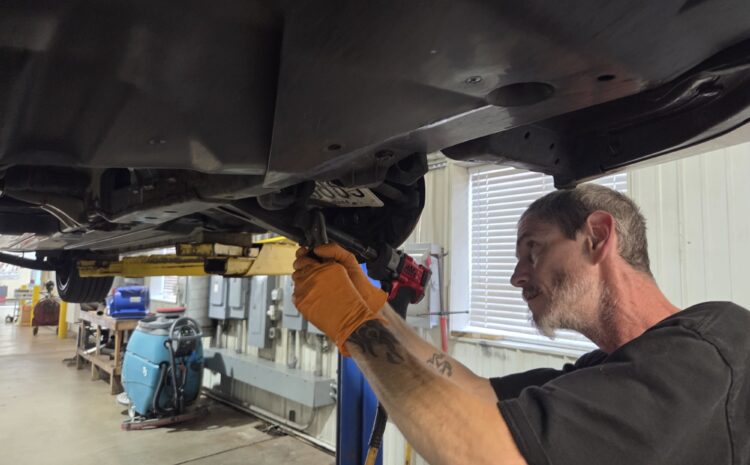
When your tires no longer point or sit correctly, they can scrub against the road instead of rolling evenly. The result may be uneven, accelerated tread wear, and the need to replace tires sooner than expected. That’s why a timely suspension repair Milwaukee inspection can help protect both your vehicle’s handling and your tire investment.
3. Watch for These Signs Your Alignment May Be Off
You don’t need specialized equipment to notice that your car feels different. Watch for:
- Pulling: Your vehicle drifts or pulls to one side on a straight, level road.
- An off-center steering wheel: You’re traveling straight, but the wheel sits noticeably crooked.
- Uneven tire wear: One edge of a tire is wearing faster, or the tread looks different from side to side.
- Vibration: You feel a new shake through the steering wheel, seat, or floor.
These symptoms don’t always mean the alignment is the cause. For example, vibration can also come from a damaged or unbalanced tire or bent wheel. A technician can inspect the tires and steering and suspension components, then check alignment angles to find the source.
4. Cold Weather Lowers Tire Pressure
As air gets colder, it contracts. A useful rule of thumb is that tire pressure can fall by about 1 PSI for every 10°F drop in temperature. That means a tire inflated correctly during a mild spell may be underinflated after a significant cold snap, even if it has no puncture.
Underinflated tires can reduce predictable handling and contribute to uneven tread wear. In slippery winter conditions, keeping pressure at the vehicle manufacturer’s recommended level is one important part of maintaining your tires’ designed performance.
Check your tires when they’re cold: before driving, or after the vehicle has been parked for several hours. Find the recommended pressure on the driver’s door-jamb label or in your owner’s manual. Don’t use the maximum pressure printed on the tire sidewall as your target; that number is not the vehicle’s recommended setting.
The Michelin winter tire and pressure guide also recommends checking pressure regularly and using the vehicle manufacturer’s specification.
5. Choosing Between All-Season and Winter Tires
The right tire depends on the conditions you drive in and what your vehicle requires.
All-season tires are designed for a range of temperatures and road conditions, including some light winter weather. But they are not the same as dedicated winter tires. Winter tires use a cold-weather-focused rubber compound and tread design to maintain traction in sustained cold, snow, and icy conditions.
Sanfelippo Auto Repair now offers Falken Aklimate tires as an option for drivers looking for year-round use with added winter capability. Falken describes the Aklimate as an all-weather tire with a Three-Peak Mountain Snowflake severe-snow rating. It’s designed for cold conditions and snow, but Falken says it is not a substitute for dedicated winter tires in areas with heavy snow accumulation or roads that aren’t regularly maintained. Learn more about the tire’s features on Falken’s Aklimate product page.
Tire choice isn’t one-size-fits-all. The right fit depends on your vehicle, tire size, driving habits, and the winter conditions you regularly encounter. Ask a technician to help you compare appropriate options.

6. When to Get an Alignment and Tire Check
Think of alignment and tire inspections like routine medical check-ups: they can catch smaller concerns before they grow into bigger problems. Schedule an inspection:
- After a hard pothole hit, especially if your steering or ride changes.
- Seasonally, as part of preparing your vehicle for winter driving.
- When symptoms appear, such as pulling, an off-center steering wheel, uneven wear, or new vibrations.
- When replacing tires, so you can address alignment issues that could wear out your new set prematurely.
Even if you don’t notice a symptom, checking your pressure regularly and looking over your tires for unusual wear or visible damage can help you spot changes early. If you see a bulge, cut, or other visible tire damage, get professional advice before continuing to drive on it.
7. Catch Problems Early to Protect Your Winter Handling
Let’s face it: no one wants to replace tires sooner than necessary. Catching an alignment issue early can help limit avoidable tire wear, while addressing suspension damage can help restore more predictable handling. And keeping your tires at the recommended pressure supports the performance your tires are designed to deliver.
For car maintenance in Milwaukee, choose a shop that can check the tires, alignment, and related suspension components together. Sanfelippo Auto Repair is a family-owned business with over 30 years of experience. Our ASE-certified technicians service all makes and models using the latest technology, with dealership-quality care at competitive prices. We’ll explain what we find with honesty and transparency, so you can decide what your vehicle needs.
Are your tires wearing unevenly? Did your steering feel different after a pothole hit? Is it time to check your pressure or winter tire options? If you’re looking for a trusted mechanic in Milwaukee, WI, book an alignment and tire inspection with Sanfelippo Auto Repair. We’re located at 646 S 2nd St UNIT 600, Milwaukee, WI 53204, and serve Milwaukee, WI, and surrounding areas.