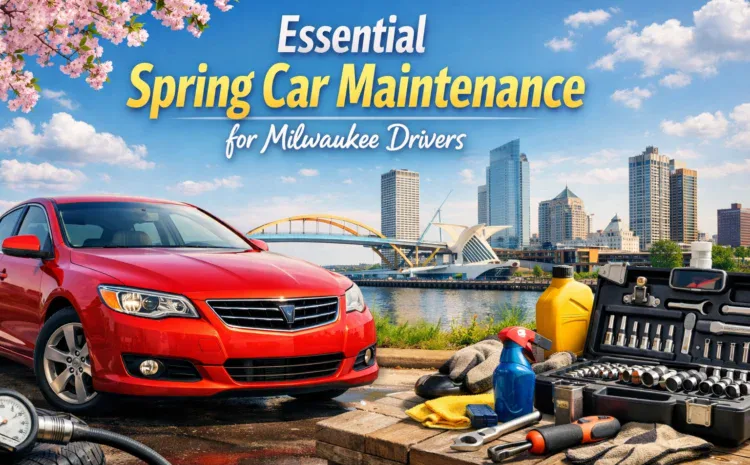
Essential Spring Car Maintenance for Milwaukee Drivers
Let’s face it: Milwaukee winters are a marathon for your vehicle. Between the sub-zero mornings, the relentless lake-effect snow, and the literal tons of salt dumped on I-94, your car has been through the ringer. Now that the ice is melting and the potholes are blooming, it’s time to give your vehicle the attention it deserves.
At Sanfelippo Auto Repair, we’ve seen what Wisconsin winters do to everything from the family minivan to local commercial fleets. Spring isn’t just about a quick car wash; it’s about undoing the damage of the last six months and ensuring your vehicle is safe for the summer road trips ahead. Think of it like a post-winter physical for your car: a way to catch small issues before they become “stuck on the side of the road” problems.
Here is your comprehensive guide to car maintenance in Milwaukee this spring.
1. The Great Salt Scrub: Protecting Your Investment
If there is one thing Milwaukee drivers know, it’s salt. While it keeps us moving in January, it’s a silent killer for your car’s frame and brake lines in April.
Wash and wax your vehicle’s exterior immediately to remove the corrosive chemical buildup. But don’t just stop at the shiny parts. The real danger is underneath. You need to thoroughly spray the undercarriage, wheel wells, and even areas under the hood where debris collects. Salt trapped in these crevices can lead to premature rust, which eventually compromises the structural integrity of your vehicle.
Pro Tip: If you manage a business, seasonal maintenance tips for commercial fleets emphasize that salt removal is the number one way to extend the lifecycle of your working vehicles.
2. The Pothole Patrol: Tires and Alignment
Milwaukee’s “pothole season” is legendary. As the ground thaws and freezes, our roads develop craters that can do serious damage to your suspension.
- Tire Pressure: Cold weather causes tire pressure to drop, but as the air warms up, that pressure increases. Check your PSI to ensure you aren’t over-inflated or under-inflated, both of which cause uneven wear.
- Visual Inspection: Look for bulges, cracks, or “bubbles” in the sidewall. These are often signs of a hard impact with a Milwaukee pothole.
- Alignment & Suspension: If your steering wheel feels “off-center” or the car pulls to one side, your alignment is likely out of whack. Misalignment doesn’t just make the car harder to drive; it eats through expensive tires in a matter of weeks.

3. Why Regular Oil Changes are the Key to Engine Longevity
While we are talking about spring cleaning, we have to talk about the most important “clean” your car ever gets: the oil change. If you want your engine to last 200,000 miles and beyond, this is the non-negotiable step.
Think of engine oil like the blood in a human body. In the winter, your engine works harder. Cold starts are brutal, and moisture can build up in the oil if you’re only making short trips around the East Side or Wauwatosa. This moisture creates “sludge,” a thick, gooey substance that stops oil from lubricating the moving parts of your engine.
The Benefits of a Fresh Oil Change:
- Reduced Friction: Fresh oil keeps metal parts from grinding against each other.
- Heat Regulation: Clean oil helps dissipate heat away from the combustion chamber.
- Engine Longevity: Regular intervals prevent the buildup of carbon and varnish.
- Fuel Efficiency: An engine that doesn’t have to fight internal friction burns less gas. In fact, maximizing fuel efficiency through fleet maintenance starts with the basics: clean oil and proper lubrication.
Let’s be honest: an oil change is the cheapest insurance policy you can buy for your car. Skipping it is like skipping a routine doctor’s visit: it might seem fine today, but the long-term consequences are expensive.
4. The Fluid Refresh
Your car relies on a cocktail of fluids to stay cool, stop safely, and steer smoothly. Spring is the time to top them off or flush them if they look dark and contaminated.
- Engine Coolant/Antifreeze: As temperatures rise, your cooling system has to work harder to prevent overheating.
- Brake Fluid: This fluid is hygroscopic, meaning it absorbs moisture. After a humid or snowy winter, moisture in the lines can lead to a “spongy” brake pedal.
- Windshield Washer Fluid: Switch out that de-icer fluid for a summer blend that’s better at removing Wisconsin bugs and pollen.
5. Visibility and Safety: Wipers and Lights
Winter is notoriously hard on rubber. If your wipers were frozen to the windshield even once this year, the delicate edge of the blade is likely torn.
- Wiper Blades: Check for streaks or a “chattering” sound. If they aren’t clearing the glass perfectly, replace them. Visibility is key during those sudden Milwaukee spring downpours.
- Lighting: Walk around your vehicle and check every bulb: headlights, high beams, turn signals, and brake lights.
If you’ve struggled with visibility during the darker months, you might recall our guide on how to keep your windshield and windows clear in winter; those same principles of cleanliness apply to keeping your glass streak-free in the spring rain.

6. Battery Health Check
Did you know that heat is actually harder on batteries than cold? However, the cold is what usually reveals a dying battery. If your car struggled to turn over during that January cold snap, it’s a warning sign.
Cold weather reduces battery performance by up to 60 percent. By the time spring rolls around, your battery might be limping along. We recommend a professional battery test to check its “Cold Cranking Amps” (CCA). It’s much better to replace a weak battery now at Sanfelippo Auto Repair than to find yourself stranded at a stoplight in the middle of a July heatwave.
If you noticed any of the 5 signs you shouldn’t ignore regarding your battery, now is the time to act.
7. Breathing Easy: Air Filters
Throughout the winter, your engine and cabin air filters have been working overtime to keep salt dust, soot, and debris out of your engine and your lungs.
- Engine Air Filter: A clogged filter chokes your engine, forcing it to work harder and use more fuel.
- Cabin Air Filter: This filter cleans the air you breathe inside the car. With allergy season right around the corner in Milwaukee, a fresh cabin filter will help keep the pollen and dust at bay.
8. Brake System Inspection
You relied on your brakes all winter to navigate icy patches and slushy intersections. The salt and moisture can cause brake components to corrode or stick.
We check for:
- Pad Wear: Ensuring you have enough “meat” left on the pads.
- Rotor Condition: Looking for pitting or rust caused by winter salt.
- Brake Lines: Checking for any leaks or brittle spots.

Reliable Care for the Road Ahead
At Sanfelippo Auto Repair, we treat every car like it belongs to one of our own family members. We understand that your vehicle isn’t just a machine; it’s how you get to work, how you get your kids to practice, and how you experience the best of Milwaukee during the summer months.
Whether you need a simple oil change or a full post-winter diagnostic, we use the latest technology to ensure your vehicle is road-ready. For our business neighbors, we also offer specialized advice on how to reduce fleet downtime with proactive repairs.
Is your car ready for spring?
Don’t wait for a breakdown to tell you something is wrong. Take a moment to evaluate your vehicle’s current state. Have you noticed any new noises? Does the steering feel loose? Is your “Check Engine” light staring you in the face?
Bring your vehicle into Sanfelippo Auto Repair this week. Let’s clear away the winter blues and get you back on the road with total confidence.