

Pros & Cons of Outsourcing Fleet Maintenance: Advice for Wisconsin Businesses
Managing a fleet in the bustling areas of Milwaukee, Wisconsin, can be a demanding task, especially when it comes to maintenance. With the option to outsource fleet maintenance, businesses often find themselves deciding whether to handle it in-house or seek external help. In this guide, we’ll examine the pros and cons of outsourcing fleet maintenance, offering practical advice tailored for Wisconsin businesses. Whether you’re a small business owner or manage a large fleet, this article will help you make an informed decision.
Understanding Fleet Maintenance
Fleet maintenance involves regular servicing and repairs necessary to keep vehicles in optimal condition. It includes activities such as oil changes, tire rotations, brake inspections, and more. The goal is to ensure vehicles are safe, reliable, and efficient. Proper maintenance keeps each component functioning correctly and helps prevent costly breakdowns.
The Importance of Regular Maintenance
Regular maintenance is crucial for preventing unexpected breakdowns and extending the lifespan of vehicles. In Wisconsin’s harsh winters, routine checks become even more important to avoid weather-related damages. For example, frost can severely affect vehicle batteries; regular checks can prevent a dead battery from halting operations on a freezing morning.
Neglecting maintenance allows minor issues to build up, which can lead to significant, expensive repairs later. Consistent servicing ensures your vehicles remain in good condition and continue to perform reliably throughout the year.
In-House vs. Outsourced Maintenance
Businesses often weigh the benefits of keeping fleet maintenance in-house against outsourcing it. Each approach has its own advantages and challenges. An in-house team can address urgent repairs quickly and maintain full control over the process. However, outsourcing provides access to specialized expertise, professional equipment, and a broader range of diagnostic capabilities that an internal team may not possess.
The Benefits of Outsourcing Fleet Maintenance
Outsourcing fleet maintenance can be a practical option for many Milwaukee businesses. Here’s why:
Access to Expertise and Specialized Equipment
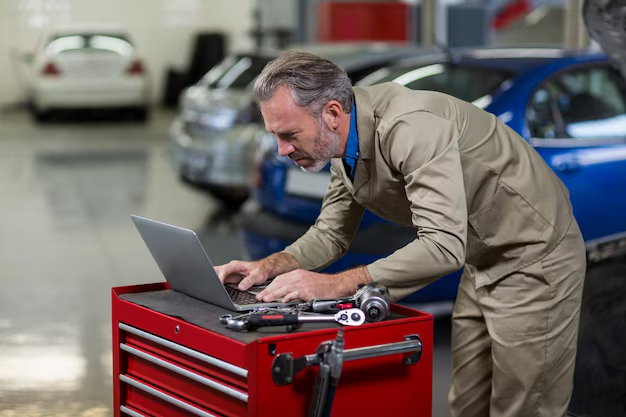
When you outsource, you gain access to a team of skilled technicians equipped with the latest tools and technology. This can be especially beneficial for businesses that lack the resources to invest in advanced diagnostic equipment or ongoing technical training. Complex engine or electrical issues, for instance, often require specialized tools and experience that external providers already have in place.
Cost Efficiency
Outsourcing can lead to cost savings by reducing the need for full-time maintenance staff and eliminating expenses related to training, facility management, and equipment purchases. You only pay for the services you need, when you need them. For example, a Wisconsin-based delivery company that transitioned to outsourcing reported significant savings by cutting mechanic salaries and avoiding costly tool investments.
Although the upfront cost of outsourcing might seem higher, reduced downtime, fewer unexpected repairs, and longer vehicle life often result in greater long-term savings.
Focus on Core Business Activities
Outsourcing maintenance allows businesses to focus on their main operations instead of managing complex vehicle care. This can improve productivity and operational efficiency. By freeing management from the daily logistics of vehicle servicing, businesses can concentrate on customer service, expansion, and other key priorities.
Potential Drawbacks of Outsourcing
While outsourcing offers clear benefits, it also has potential drawbacks to consider.
Loss of Control
Outsourcing means relinquishing some control over the maintenance process. This can be a concern for businesses that prefer to directly oversee vehicle care and repair standards. To minimize this issue, it’s important to set clear communication channels and establish service-level agreements (SLAs) that outline expectations. Regular updates and performance reports help maintain transparency and ensure that work aligns with company standards.
Dependence on External Providers
Relying on an external provider introduces dependency. If the service quality declines or the provider becomes unavailable, your operations could be affected. Building strong, long-term relationships and maintaining backup providers are effective ways to mitigate this risk. Having multiple contracts or contingency plans can help ensure continuity if one provider experiences disruptions.
Potential for Delays
Outsourced maintenance may lead to scheduling conflicts or delays, particularly during busy seasons. Proactive scheduling and clear communication with the provider can help reduce downtime. Establishing a preventive maintenance plan and anticipating seasonal peaks ensures that vehicles receive timely service and remain operational when demand is highest.
Seasonal Considerations for Wisconsin Businesses
In Wisconsin, seasonal changes can significantly impact fleet maintenance needs. Outsourcing can provide consistent service throughout the year, regardless of weather conditions.
Winter Preparedness
Cold temperatures and road salt can cause issues such as corrosion, battery failure, and tire wear. Outsourced providers can perform thorough inspections and maintenance to prepare vehicles for winter. This may include checking heating systems, batteries, and undercarriage components to prevent salt damage. Many providers also offer emergency on-call services during snowstorms to keep fleets running smoothly.
Summer Maintenance Challenges
Summer brings challenges such as engine overheating, air conditioning issues, and worn cooling systems. Outsourced providers can ensure proper coolant levels, inspect ventilation systems, and replace worn belts and hoses before problems arise. Preventive maintenance during this season helps fleets remain reliable during high-demand periods.
Local References and Practical Examples
For Milwaukee businesses, local expertise can make a difference. Sanfelippo Auto Repair, located in the heart of Milwaukee, offers fleet maintenance services tailored to the region’s specific conditions. Their knowledge of local roads, weather, and traffic helps them provide maintenance solutions that general providers may overlook.
Real-Life Example: A Local Business’s Experience
A local delivery company that outsourced its fleet maintenance to Sanfelippo Auto Repair reported improved uptime, reduced costs, and consistent performance during the busy holiday season. By maintaining open communication and monitoring results, the company ensured that the outsourced service met their expectations and integrated seamlessly with their operations.
Choosing the Right Service Provider
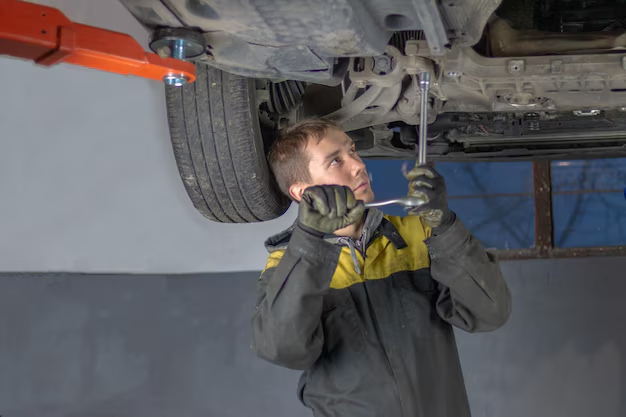
Selecting the right provider is crucial for successful outsourcing. Here’s how to approach it:
Research and Recommendations
Start by researching potential providers and asking for recommendations from local businesses. Look for companies with a proven record, positive customer reviews, and relevant fleet experience.
Ask the Right Questions
Inquire about their experience with similar fleets, response times, and approach to emergency repairs. Understanding their capabilities and service standards will help determine whether they can meet your specific needs.
Evaluate Cost vs. Service Quality
While price is a factor, quality and reliability should carry more weight. A provider that delivers consistent, timely service and understands your business needs will offer better value in the long run.
Conclusion
Outsourcing fleet maintenance can offer significant advantages for Milwaukee businesses, including expert service, cost efficiency, and operational focus. However, it’s important to weigh the pros and cons carefully and choose a provider that aligns with your business goals.
If you’re considering outsourcing, contact Sanfelippo Auto Repair to discuss how they can support your fleet maintenance needs.
