
Car Repair vs. New Car Payment: Which Is Better for Your Budget?
A large repair estimate can make replacing your car seem like the obvious move. But a single repair bill can feel more alarming than it is when you compare it with a full year of new-car costs. Let’s break down how to run that comparison with your own numbers instead of a gut feeling.
The better question isn’t simply, “Is this repair expensive?” It’s, “What will each choice cost me over the next 12 months, and which one gives me more dependable transportation for the money?”
No generic averages or guesswork required. Just your own numbers.
1. Compare the full 12-month picture
Start with what it will cost to keep your current vehicle for the next year. Add:
- Repairs you know are needed, based on a confirmed diagnosis.
- Likely maintenance, such as scheduled service or wear items due soon.
- Your current insurance cost for the year.
- Any remaining loan payments during those 12 months.
Then estimate the cost of replacing it:
- The actual loan payments you’d make over the next 12 months.
- Any expected insurance increase for the replacement vehicle.
- Maintenance and repair expenses you expect during its first year.
- Depreciation, or how much value the vehicle is likely to lose.
Use an insurance quote and loan terms for the car you’re considering, not a payment estimate from an advertisement. Include any down payment, taxes, fees, and negative equity that could be rolled into a loan.
One important detail: cash flow and ownership cost are different views of your budget. Loan payments tell you what cash leaves your account. Depreciation tells you how the vehicle may lose value. If you’re adding both to a comparison, account for the loan’s principal carefully so you don’t count the same cost twice. When in doubt, compare the real monthly cash commitment first, then consider depreciation as a separate factor in the vehicle’s longer-term value.
Write it down as a simple two-column worksheet, one column for keeping your car and one for replacing it, with the same four lines under each:
- Repairs and maintenance: your estimate for each option
- Loan payments: any remaining payments versus the new loan
- Insurance: your current premium versus a quote for the replacement
- Depreciation and fees: your estimate for each option
The point isn’t to predict every expense perfectly. It’s to make a fair comparison before a stressful decision pushes you toward a new payment.
2. Put one big repair bill in perspective
A major repair can be intimidating because it arrives all at once. A vehicle payment works differently: it may look manageable month to month, but it can continue for years.
Compare the repair estimate with 12 months of the replacement vehicle’s actual payment, plus the added costs of insurance, taxes, fees, and maintenance. Then consider what you’d have to pay after that first year. If the current car is otherwise dependable, one repair may cost less than taking on a year of payments, and leave you with a vehicle you already know.
This is not a rule that every repair is worth doing. It’s a reminder to compare the bill with the real alternative, not just with the amount currently in your bank account.
Think of maintenance like a routine medical check-up: finding a developing issue early can give you options. Waiting until a small concern becomes a breakdown can make the eventual decision more urgent and more expensive.
3. Get a diagnosis before making a replacement decision
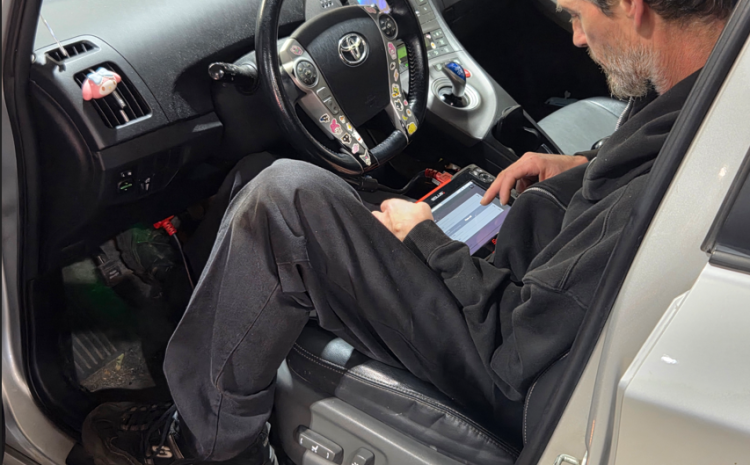
An estimate is only useful if it addresses the actual problem. A warning light, rough idle, loss of power, or unusual engine noise can have more than one cause. Replacing a vehicle based on a guess, or authorizing a major repair before the problem is properly identified, can put you on the wrong path.
For suspected internal engine trouble, a technician may recommend a compression test to check how well each cylinder builds pressure. A leak-down test can help identify where pressure is escaping. These tests don’t make the decision for you, but they can help distinguish an isolated repair from broader engine wear.
Ask for a clear explanation of:
- What the inspection found.
- Which repairs are urgent and which can be planned.
- Whether the issue is isolated or part of a larger pattern.
- What the recommended repair is expected to address.
- What maintenance or other concerns may be approaching.
A trustworthy shop will help you understand the evidence and your options before you commit to engine repair in Milwaukee, not pressure you into a decision. Learn more about engine and exhaust repair and the types of concerns a proper evaluation can address.

4. Know when keeping the car may no longer make sense
Sometimes replacing your vehicle is the sensible choice. Look beyond the amount of a single estimate and consider the car’s condition, safety, and likely repair pattern.
Replacement deserves serious consideration when:
- Structural rust affects the vehicle’s frame or other critical areas.
- Major failures keep piling up, leaving you with repeated bills and unreliable transportation.
- Safety systems are compromised or repairs needed to make the car safe aren’t practical for your budget.
- Both the engine and transmission need major work, especially if the rest of the car also needs attention.
- The repair cost is close to or higher than the car’s value, and there are likely to be more significant expenses soon.
The vehicle’s market value is a useful reference, but it shouldn’t be your only test. A repair can exceed the car’s resale value and still be cheaper than replacing it if the repair restores reliable use for the time you plan to keep the vehicle. On the other hand, a repair that only buys a little time before another major failure may not be a good investment.
Ask the technician to separate confirmed needs from possible future concerns. That gives you a clearer picture without treating every potential issue as an immediate expense.
5. Keep your car in the “worth repairing” zone
Preventive care can’t eliminate every repair, but it can help you catch problems before they grow. Follow the maintenance schedule for your vehicle and address changes in sound, performance, warning lights, or fluid levels rather than ignoring them.
A practical approach includes:
- Keeping up with scheduled maintenance.
- Responding promptly to warning lights or new symptoms.
- Asking which repairs need attention now and which can be budgeted for later.
- Keeping a record of service and repair costs.
- Reassessing the repair-versus-replace decision when the vehicle’s condition changes.
You can review Sanfelippo Auto Repair’s general maintenance services to see how routine care fits into a longer-term plan for your vehicle.
6. Make the choice with clear numbers
You don’t need to predict the future perfectly to make a sound decision. You need a reliable diagnosis, realistic costs, and an honest look at how long you want to keep the vehicle.
At Sanfelippo Auto Repair, our family-owned team brings more than 30 years of industry experience and ASE-certified technicians to vehicle maintenance and repair. We aim to provide dealership-quality service at competitive prices, with the honesty and transparency to help you understand your options.
What would the next 12 months of repairs and maintenance look like for your current car? How does that compare with a new payment, insurance quote, and the costs of replacing it? And is the problem a fixable issue, or a sign of repeated, larger failures?
For an assessment, call 414-710-3282, book online, or visit us at 646 S 2nd St UNIT 600, Milwaukee, WI 53204. Sanfelippo Auto Repair serves Milwaukee, WI and surrounding areas.